
Key Takeaways on Choosing Cattle Fencing (The TL;DR)
Here are the key points to know before making a decision:- Barbed wire costs about $31,734 per mile. It lasts 15 years and is budget-friendly, but it can cause injuries if not handled properly.
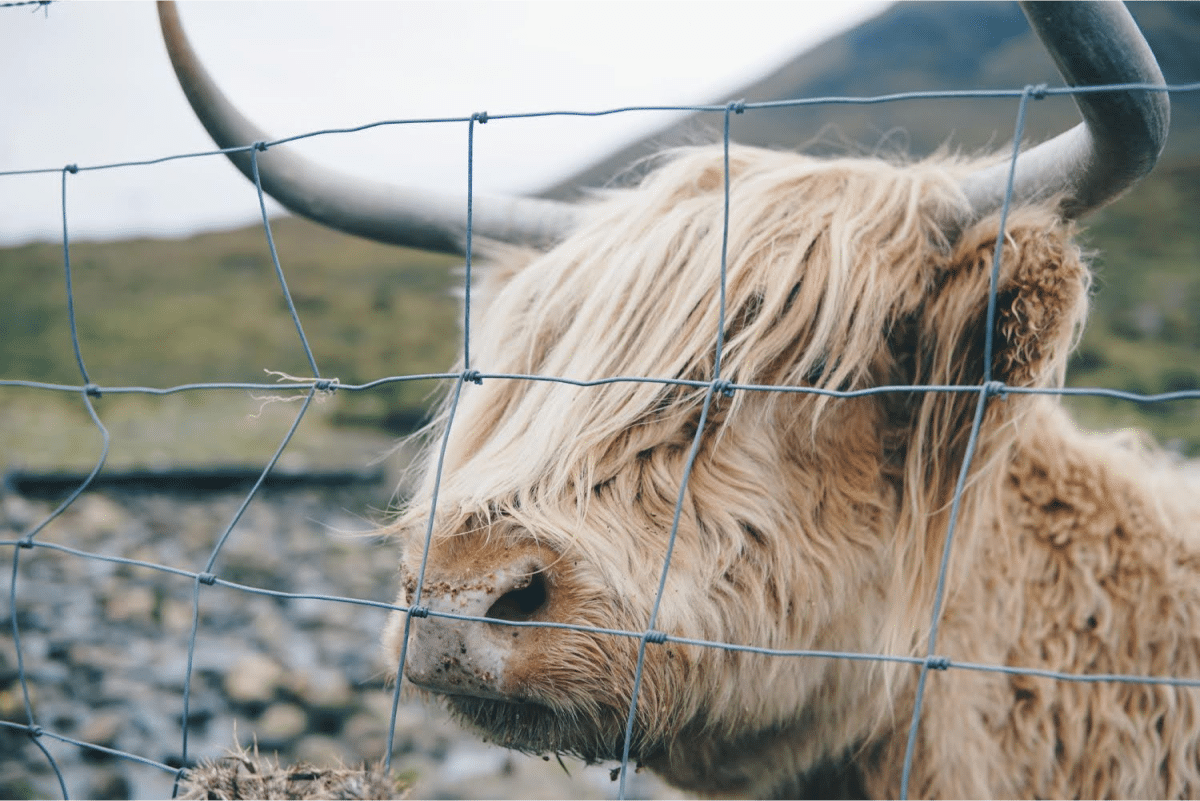
- Woven wire blocks predators but deforms over time. Its shorter lifespan makes it pricier in the long run, even though upfront costs are similar to barbed wire.
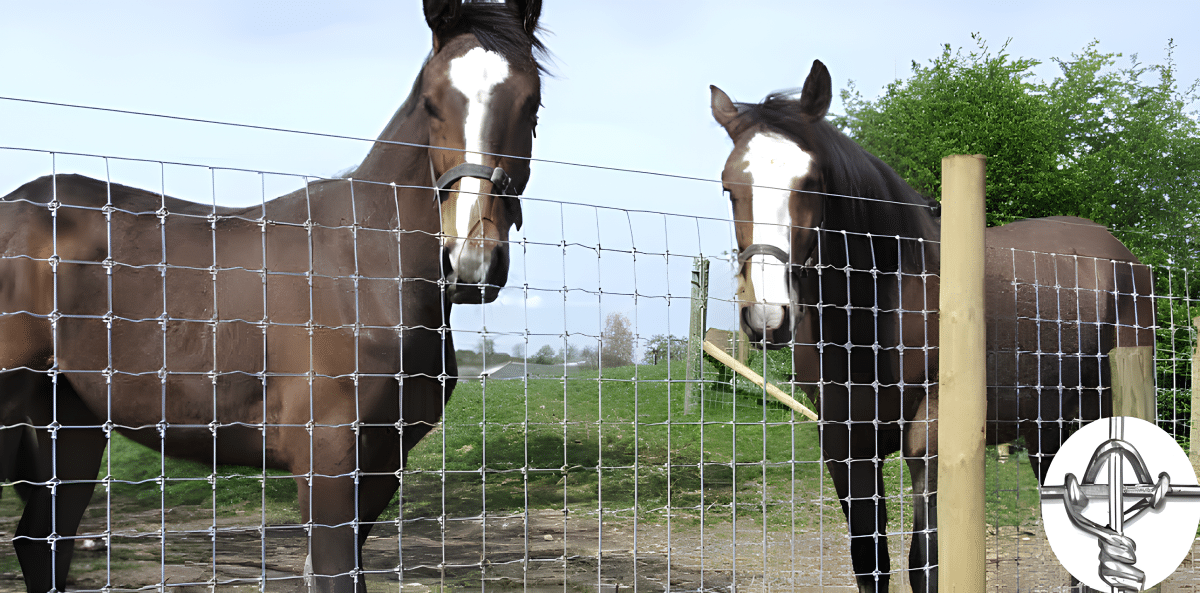
- Fixed-knot high tensile fencing lasts up to 30 years. It has the lowest annual cost at $1,163 per mile, making it a strong long-term investment.
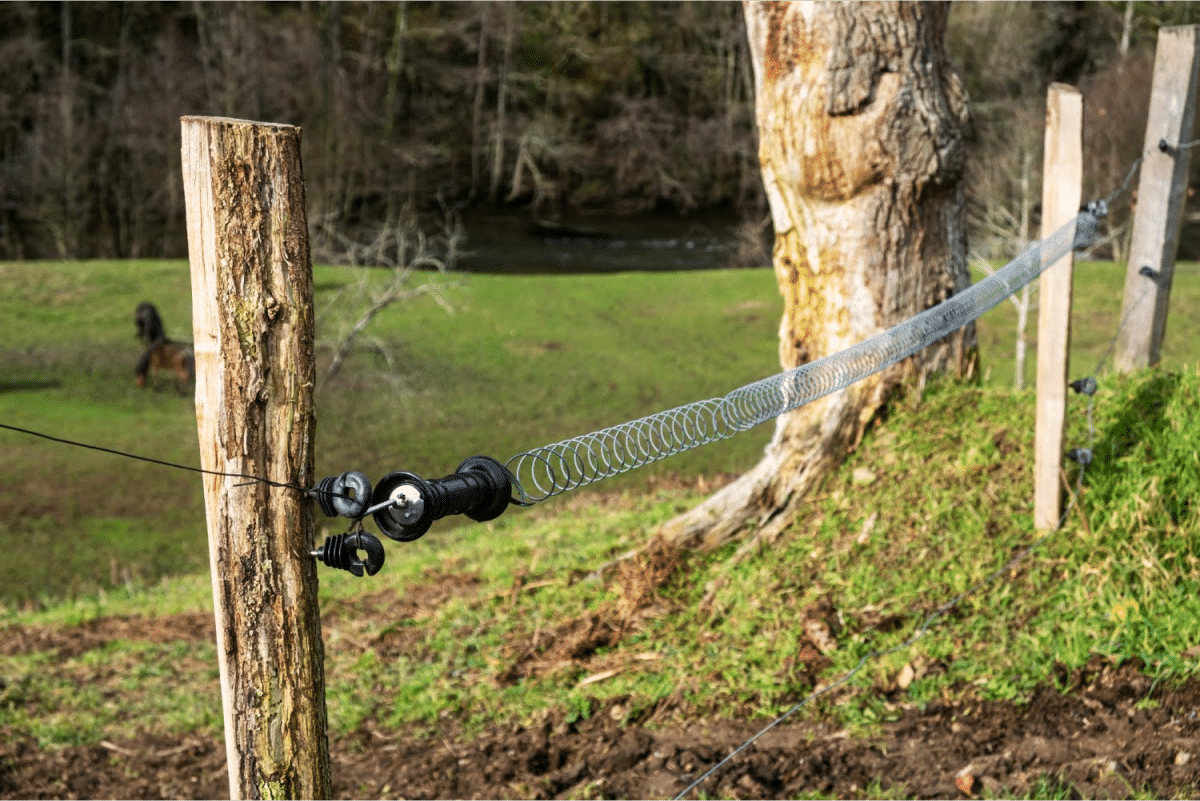
- Electric fencing costs around $1,300 to install. It allows flexible grazing management, but it needs a steady power source to work.
- Choosing a fence depends on its use. High tensile works well for large pastures, while woven wire or fixed-knota is better for paddocks.
- Fixed-knot or electric fencing suits bull pens best.
- To extend fence life and cut repair costs, ensure proper post spacing, correct wire tension, and regular inspections.
Types of Cattle Fencing Materials
Barbed Wire Fence
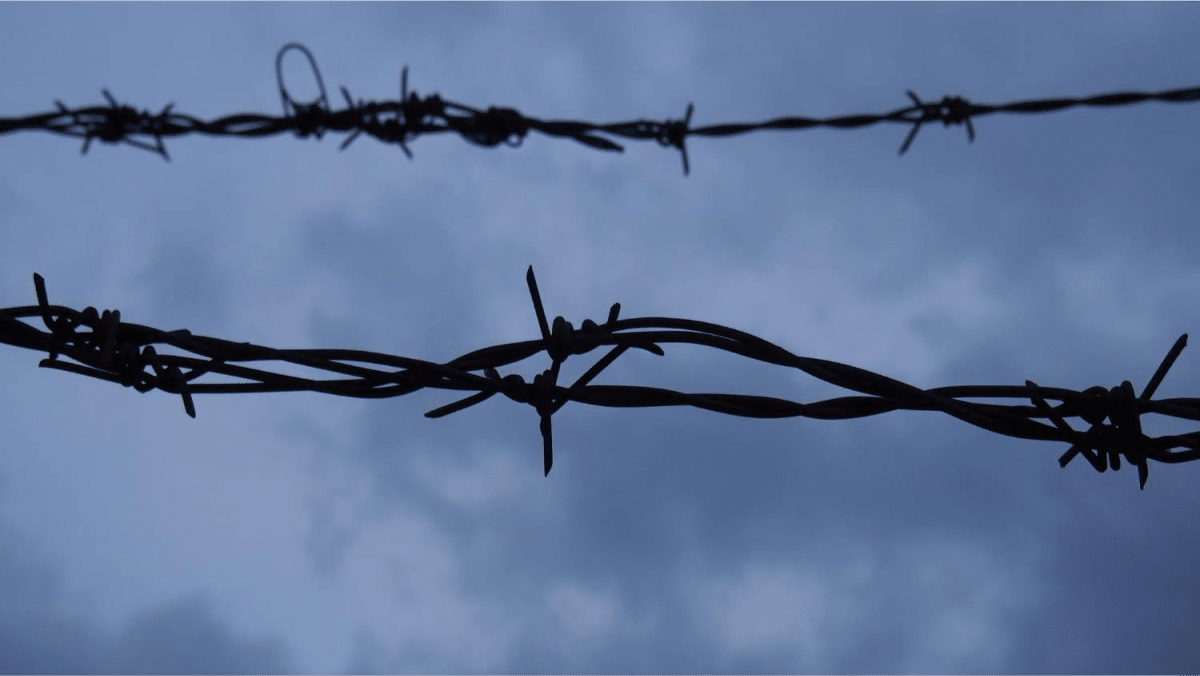
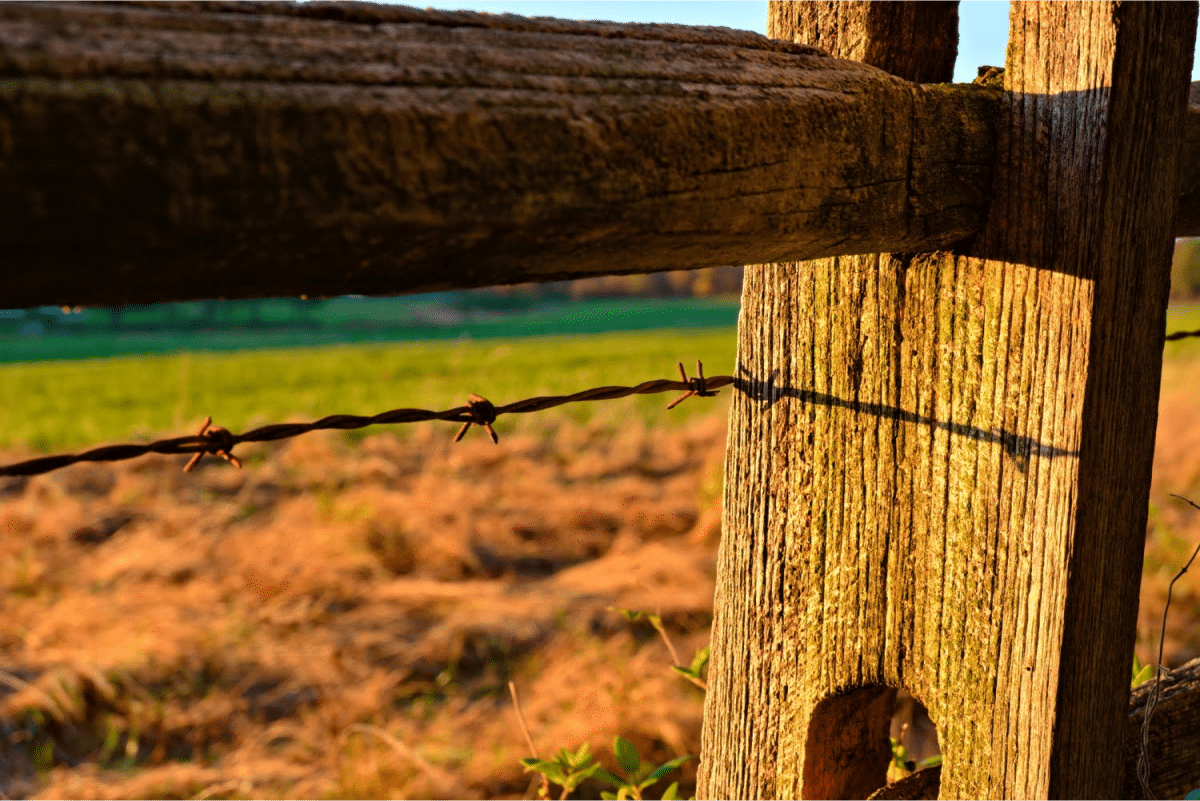
Barbed wire has been a popular choice for cattle fencing for over 150 years. The usual amount is four to six strands used for perimeter and cross fencing. While it’s considered a budget-friendly option, it’s not the cheapest. The cost adds up with T-posts placed every 10 to 12 feet, along with stays or stiffeners. Barbed wire can be hard to see and may injure animals or people.
Woven Wire Fence
Fixed-Knot Wire Fencing
Electric Fencing
Factors to Consider When Choosing a Cattle Fence
Durability & Longevity of Fence
Cost of Fence

Barbed Wire
Barbed wire is a common choice for cattle fencing because it’s affordable. It costs about $4.74 per linear foot, with a total cost of around $31,734.70 per mile. It lasts about 15 years, making the yearly cost about $2,115.65 per mile. Barbed wire is a budget-friendly option that provides strong and reliable fencing.
High tensile fencing is slightly more expensive, costing $5.46 per linear foot. The total cost per mile is about $35,117.80. However, since it only lasts around 10 years, the yearly cost is $3,511.78 per mile. While it has a higher cost, it offers solid protection for various types of livestock.Fixed-Knot High Tensile Fence
Electric Fence
Fence Maintenance Requirements
Animal Safety
Best Fencing Options for Cattle Management Scenarios
Large Pastures
Small Paddocks
Bull Pens
Calving Areas
Installation and Maintenance Tips for Cattle Fences
Proper Post Placement

Tensioning Techniques
Regular Inspections
Repair Procedures
Choosing The Right Fence!
FAQs
What is the best fencing material for cattle?
How high should a cattle fence be?
How far apart should fence posts be for cattle?
Fence posts should be spaced no more than 8 feet apart to handle the pressure from cattle. If you’re also fencing in smaller animals like sheep or goats, you can space the posts 10-12 feet apart.