
Weapons, Ammo, and Optics
Start with the obvious: your firearm or bow, properly sighted and cleaned. Bring more ammunition than you think you’ll need. One box of rifle cartridges or six arrows is the minimum. If you’re borrowing a rifle, spend time at the range before the hunt so you know the trigger, the safety, and where it shoots at 100 yards.
Binoculars are the most underrated piece of hunting gear. An 8x or 10x pair lets you spot and identify game without walking into their wind. A rangefinder helps too, especially on open terrain where distances are deceptive. If you can only afford one, get the binoculars.
Clothing: Layers Beat Bulk Every Time
Cotton kills. It absorbs sweat, holds moisture against your skin, and makes you cold fast. Instead, build a three-layer system:
Base layer: Merino wool or synthetic moisture-wicking fabric against your skin. This pulls sweat away from your body. You’ll be walking in the dark to your stand, generating heat, and then sitting still for hours. Without a proper base layer, you’ll be soaked and freezing by 8 a.m.
Mid layer: Fleece or down for insulation. This traps warm air. The heavier your mid layer, the warmer you’ll be, but the less mobile. For early season hunts in mild weather, a light fleece works. For December sits in a tree stand, you want a puffy jacket.
Outer layer: Waterproof and windproof shell in a camo pattern that matches your terrain. This keeps rain, snow, and wind from penetrating your insulation layers. A good outer shell is quiet too, which matters when you’re drawing a bow or shifting in a stand.
Don’t forget extra socks. Wet feet end hunts early. Bring at least one spare pair in a ziplock bag.
Footwear: Where Your Budget Matters Most
Cheap boots cause blisters, cold feet, and miserable hunts. Good hunting boots are waterproof, insulated (for cold-weather hunts), and have ankle support for uneven terrain. Break them in before the hunt. Wearing brand-new boots on a five-mile hike into the backcountry is a recipe for blisters that’ll sideline you by day two.
For early season or warm-weather hunts, uninsulated waterproof hikers work well. For late season sits, go with 400g to 800g Thinsulate insulation. If you’re sitting in a tree stand all day in freezing weather, 1000g boots and chemical toe warmers are your best friends.
Navigation and Safety
A GPS unit or phone app with offline maps downloaded is a must. Cell service is unreliable in hunting country. Download your area’s maps before you leave home. A physical compass and a paper map go in the pack as backup.
Blaze orange is required by law in most states during rifle season. Check your state’s regulations, but plan on wearing an orange vest and hat at minimum. You want other hunters to see you.
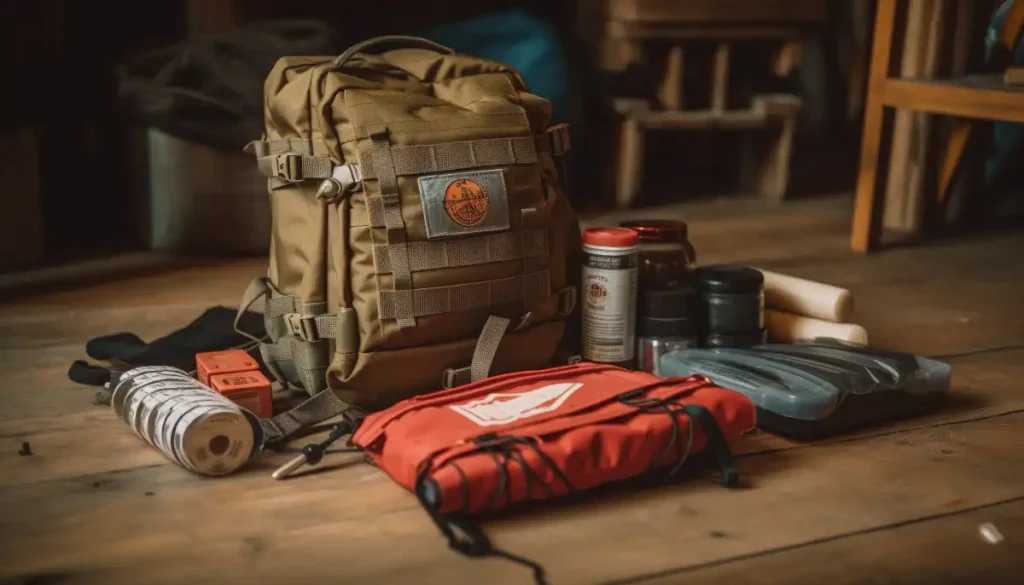
Pack a basic first aid kit: bandages, antiseptic, pain relievers, moleskin for blisters, and a tourniquet if you’re heading into remote areas. A headlamp with fresh batteries is non-negotiable. You’ll be walking in and out in the dark.
Field Dressing and Pack-Out Gear
Success creates its own problems. When you harvest an animal, you need a sharp knife (or replaceable-blade knife), nitrile gloves, game bags to keep meat clean, and paracord or rope to hang quarters. A small bone saw speeds up quartering larger game like elk.
Your backpack should have room for this gear plus water, snacks, and extra layers. A 30- to 45-liter daypack handles most day hunts. For multi-day backcountry trips, go bigger and look for packs with load-bearing frames that can carry meat.
The Stuff You'll Forget (and Wish You Hadn't)
After dozens of hunts, here are the small items that make the biggest difference: a lighter or waterproof matches, high-calorie snacks (jerky, nuts, granola bars), a water bottle or hydration bladder, toilet paper in a ziplock bag, a multi-tool, and a whistle. Hand warmers and toe warmers for cold sits. Scent-eliminating spray if you’re hunting whitetails. And a good attitude, because some hunts end empty-handed and that’s part of it.
DeWitt County Producers carries a full selection of hunting supplies at our Cuero store. Browse our products and services or stop by and see us at 401 W. Church Street. We’ll help you build a kit that fits your budget, your game, and your hunting style. Call (361) 275-3441.